
Carbohydrates for Energy: How Your Body Turns Carbs Into Fuel

Why Carbohydrates Matter More Than You Think
Carbohydrates are one of the most misunderstood parts of nutrition.
Depending on what you hear, they are either essential for performance or something you should avoid completely. For many athletes, this creates confusion. Some under eat carbs trying to stay lean. Others rely on them but do not fully understand how or when to use them.
This is where the concept of carbohydrates for energy becomes important. Your body does not see carbs as “good” or “bad.” It sees them as fuel. Just like a car needs gas to run, your body needs a reliable energy source to perform, recover, and function at a high level.
When you lift weights, sprint, or do any form of high intensity work, your body primarily uses carbohydrates to produce energy quickly. Without enough available fuel, performance drops. Workouts feel harder, strength decreases, and recovery slows down.
Even outside of training, carbohydrates play a major role. Your brain prefers glucose, which comes from carbs, as its main energy source. This means focus, reaction time, and decision making are all influenced by how well you are fueling. The problem is not carbohydrates themselves. The problem is how they are understood and used.
Eating too few carbs can leave you feeling flat, fatigued, and unable to perform. Eating them at the wrong times can lead to energy crashes. Choosing the wrong types can make energy levels inconsistent. This is why understanding carbohydrates for energy matters.
In this article, you will learn what actually happens when you eat carbs, how your body turns them into usable energy, and how to use them strategically to improve performance and recovery.
What Happens When You Eat Carbohydrates
To understand carbohydrates for energy, it helps to look at what actually happens after you eat them. This process is known as carbohydrate digestion and glycogen storage, and it is how your body prepares fuel for both immediate use and later performance.
When you eat carbohydrates, foods like rice, fruit, bread, or potatoes, your body begins breaking them down into a simple sugar called glucose. This happens through digestion in your stomach and intestines. Think of glucose as the ready to use fuel your body runs on.
Once glucose enters your bloodstream, your body decides where it is needed most. Some of it is used immediately for energy, especially if you are active. Some is sent to the brain to support focus and function. The rest is stored for later use. This storage process is called glycogenesis.
Glycogenesis is how your body takes extra glucose and stores it as glycogen, which is your body’s backup fuel supply. You store glycogen in two main places:
Muscles, where it is used during training and movement
Liver, where it helps maintain stable energy levels between meals

A simple way to think about this is like a fuel system:
Blood glucose = fuel ready to use right now
Muscle glycogen = fuel stored for training
Liver glycogen = fuel to keep your body running throughout the day
Another important part of this process is a hormone called insulin.
Insulin acts like a key. When glucose enters your bloodstream, insulin helps move that glucose into your muscle cells and other tissues. This allows it to be used for energy or stored for later. Without insulin doing its job, that fuel cannot be used efficiently.
So the full process looks like this:
You eat carbohydrates
They are broken down into glucose through digestion
Glucose enters your bloodstream
Insulin helps move it into your cells
It is either used immediately or stored as glycogen through glycogenesis
This is the foundation of carbohydrates for energy.
Before your body can create energy for movement, it first needs to break down, transport, and store fuel properly. Once that fuel is inside your cells, the next step is turning it into usable energy, which is where the real performance process begins.
From Glucose to Energy: How Your Body Creates ATP
Now that glucose is inside your cells, the next step in carbohydrates for energy is turning that fuel into something your body can actually use. That usable form of energy is called ATP.
Think of ATP as your body’s energy currency. Every movement you make, lifting weights, sprinting, even thinking, is powered by ATP. Without it, your body cannot perform.
So how does glucose become ATP?
This process happens inside your cells through a series of steps, starting with something called glycolysis.
Step 1: Glycolysis (Breaking Down Glucose)
Glycolysis is the first step of energy production. It takes place in the fluid of your cells and breaks glucose down into smaller molecules.
A simple way to think about glycolysis is this, It is like splitting a log into smaller pieces so it can burn more efficiently.
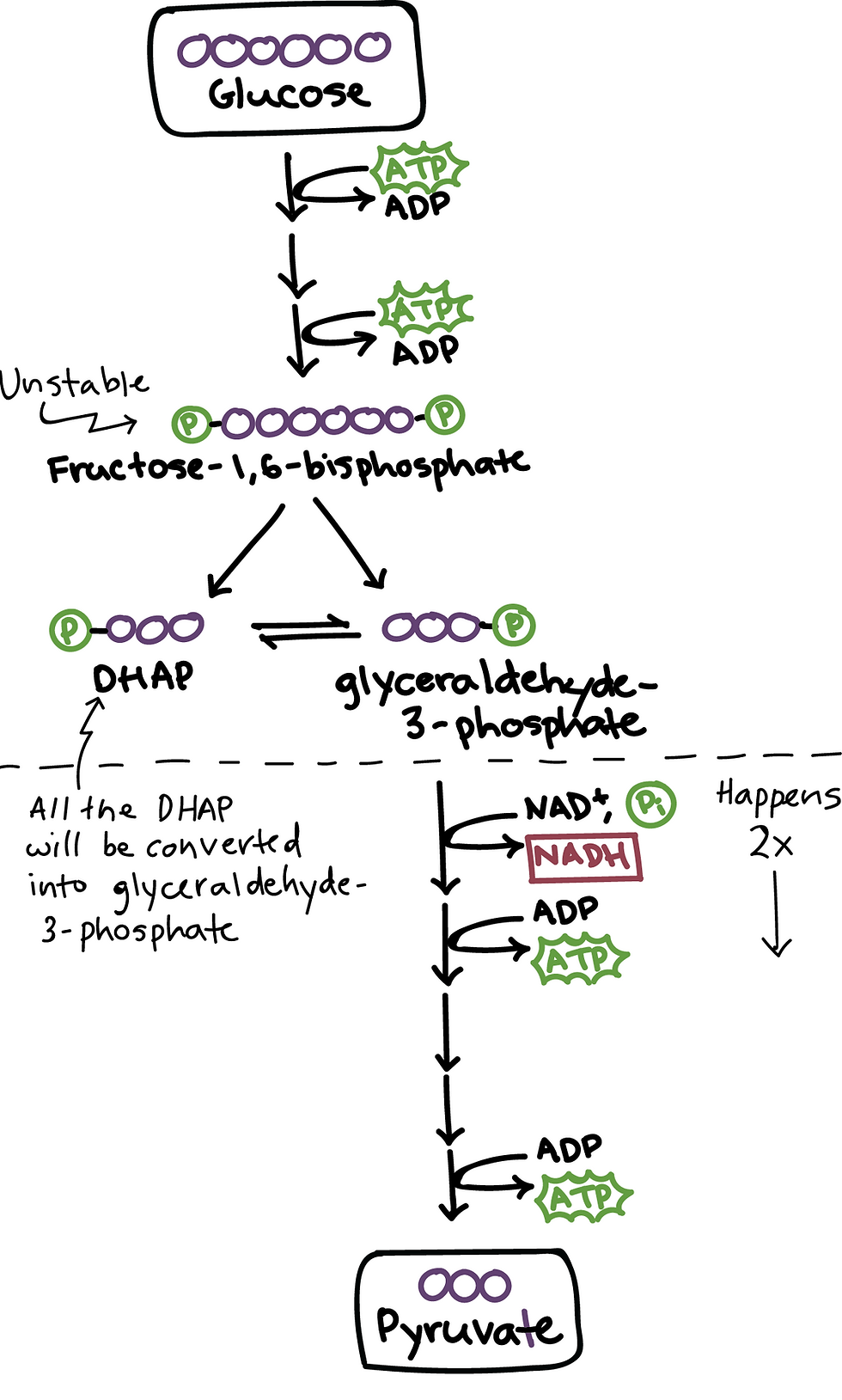
This process produces a small amount of ATP quickly, which is why carbohydrates are so effective for high intensity activities like lifting or sprinting. It does not require oxygen, so your body can generate energy fast when demand is high.
Step 2: The Mitochondria (Your Cell’s Power Plants)
After glycolysis, the remaining fuel moves into a part of the cell called the mitochondria. If that sounds complex, think of mitochondria as tiny power plants inside your cells. Their job is to take the broken down fuel from glucose and convert it into a much larger amount of ATP. This process requires oxygen and is what supports longer duration activities like steady cardio or extended training sessions.
So:
Glycolysis = fast, small amount of energy
Mitochondria = slower, but much larger energy production
Step 3: ATP Production (Energy You Can Use)
Inside the mitochondria, your body goes through additional steps to fully convert that fuel into ATP. You do not need to remember all the scientific names, but the key point is this:

The more efficiently your body can run this process, the more energy you can produce.
This is what allows you to:
Lift heavier
Train longer
Recover faster
Here is the full picture of carbohydrates for energy:
You eat carbohydrates
They are broken down into glucose
Glucose enters your cells
Glycolysis begins breaking it down
The mitochondria convert it into ATP
ATP fuels movement and performance
When carbohydrate intake is low:
ATP production becomes less efficient
Performance drops
Fatigue increases
When carbohydrate intake is adequate:
Energy production is consistent
Training output improves
Recovery is more effective
That is why understanding this process matters. Because at the end of the day, your performance is not just about how hard you train. It is about how well your body can turn fuel into energy. This is one reason at DHA we prioritize Z1-Z2 conditioning.
Simple vs Complex Carbohydrates
Not all carbohydrates provide energy in the same way. Understanding the difference is key to using carbohydrates for energy effectively in training and daily life.
The main difference comes down to how quickly your body can break them down into glucose.
Simple Carbohydrates (Fast Energy)
Simple carbohydrates are broken down quickly and enter the bloodstream fast. This means they provide rapid energy, but that energy can also drop off quickly. Think of simple carbs like kindling in a fire. They ignite fast and give you a quick burst of energy, but they burn out quickly if not supported.
Common examples include:

Fruit
Juice
Honey
Candy
Sports drinks
These are useful when you need energy immediately, such as:
Right before training
During long or intense workouts
When energy is low
However, relying only on simple carbs throughout the day can lead to energy spikes and crashes, which can hurt consistency.
Complex Carbohydrates (Sustained Energy)
Complex carbohydrates take longer to break down. This means they release glucose more slowly, providing steady and sustained energy. Think of complex carbs like logs on a fire. They take longer to catch, but once they do, they provide a steady burn that lasts.
Common examples include:

Rice
Potatoes
Oats
Whole grains
Beans
These are best used when you need longer lasting energy, such as:
Meals before training
Daily nutrition
Recovery meals
Why This Matters. Both types of carbohydrates serve a purpose.
Simple carbs = quick fuel when you need it now
Complex carbs = steady fuel to keep you going
For athletes, the goal is not to avoid one or the other. The goal is to use the right type at the right time. This is where many people go wrong with carbohydrates for energy. They either avoid carbs altogether or use the wrong type for the situation. When you understand the difference, you can match your fuel to your demand.
Understanding the Glycemic Index
Now that you understand simple and complex carbohydrates, the next concept that helps explain carbohydrates for energy is the glycemic index. The glycemic index, often shortened to GI, is a way of ranking carbohydrate foods based on how quickly they raise blood sugar after you eat them. In simple terms, it tells you how fast a food moves from your plate into your bloodstream as usable glucose.
A helpful way to think about it is this:
The glycemic index is like a speed chart for carbohydrates. Some foods enter the bloodstream quickly and create a rapid rise in blood sugar. Others move in more slowly and create a steadier release of energy.
High Glycemic Index Foods (Simple Carbs)
High GI foods are digested and absorbed quickly. They raise blood sugar fast, which can be useful when you need energy immediately.

These foods are useful when:
You need quick energy before training
You are training for a long time and need fuel during the session
You want to replenish glycogen quickly after hard exercise
Think of high GI carbs like pouring fuel straight onto a fire. They create quick energy fast.
Low Glycemic Index Foods (Complex Carbs)
Low GI foods digest more slowly and lead to a more gradual rise in blood sugar. This usually creates more stable energy over time.
These foods are useful when:
You want longer lasting energy
You are eating a normal meal several hours before training
You want more stable blood sugar during the day
What the Glycemic Index Does Not Mean
A high GI food is not automatically bad, and a low GI food is not automatically better in every situation. This is where people often get confused. The glycemic index is not a moral ranking of foods. It is simply a tool to help you understand how quickly a carbohydrate acts in the body.
For athletes, that matters because different training situations call for different speeds of fuel. Quick energy is useful in some moments, steady energy is useful in others.
What Changes the Glycemic Response
The glycemic index is helpful, but real meals are not eaten in isolation. The way a food affects blood sugar can change depending on what else you eat with it.
For example:
Adding protein can slow digestion
Adding fat can slow digestion
Adding fiber can slow digestion
A mixed meal usually creates a steadier response than carbs eaten alone
So while a food may have a certain GI score on paper, the actual response in real life depends on the full meal. This is important because most athletes do not eat single foods by themselves. They eat meals.
Why This Matters for Performance
The glycemic index matters because energy timing matters. If you eat a very slow digesting meal right before intense exercise, you may feel heavy or not have energy available quickly enough. If you eat only fast digesting carbs in situations where you need sustained energy, you may feel a rise in energy followed by a drop. Understanding the glycemic index helps you match the type of carbohydrate to the situation.
Carbohydrate Timing for Performance
Understanding what carbohydrates do is important. Knowing when to use them is what actually improves performance. When it comes to carbohydrates for energy, timing determines whether that fuel is available when you need it most.

Before Training (Fueling the Session)
Before training, your goal is to ensure you have enough available energy to perform at a high level. A good guideline is to eat a meal containing carbohydrates 2 to 3 hours before training. This allows time for digestion and for glucose to be stored as glycogen. Focus on complex carbohydrates like rice, oats, or potatoes, pair with protein for stability
Example: chicken, rice, and vegetables
If you are eating closer to your session, within 30 to 60 minutes, switch to simple carbohydrates that digest quickly. Fruit, a sports drink, or a small snack
Example: a banana or a small carb based snack
This ensures energy is available without feeling heavy during training.
During Training (Sustaining Energy)
For shorter sessions under 60 minutes, you typically do not need carbohydrates during training. For longer or more intense sessions over 60 to 90 minutes, adding carbohydrates can help maintain energy and performance. Aim for 20 to 40 grams of carbohydrates per hour. Use simple, easy to digest sources
Examples: sports drinks, gels, fruit
This helps maintain blood glucose levels and prevents energy from dropping during extended effort.
After Training (Recovery and Replenishment)
After training, your goal is to replenish glycogen stores and support recovery. This is one of the most important windows for carbohydrates for energy, because your body is primed to absorb and store nutrients efficiently.
Within 30 to 60 minutes after training:
Consume carbohydrates along with protein
Aim for 30 to 60 grams of carbohydrates depending on session intensity
Examples:
Rice and protein
A smoothie with fruit and protein
Potatoes and lean meat
This helps restore energy stores and prepares your body for the next session.
Daily Timing (Consistency Matters)
Outside of training, carbohydrates should be spread throughout the day to maintain stable energy.
Eat every 3 to 5 hours
Include carbohydrates in most meals
Adjust intake based on training demand
On harder training days, increase carbohydrate intake. On lighter days, you can slightly reduce it, but not eliminate it.
The Key Idea
Use them:
Before training for fuel
During long sessions for sustained energy
After training for recovery
When timing is aligned with demand, carbohydrates for energy become a performance tool, not just another part of your diet.
Common Mistakes Athletes Make With Carbohydrates
Even when athletes understand that carbs are important, they often misuse them. When it comes to carbohydrates for energy, small mistakes in how carbs are used can lead to noticeable drops in performance and recovery.
One of the most common mistakes is under eating carbohydrates.
Many athletes reduce carbs to try to stay lean, but this often backfires. When carbohydrate intake is too low, glycogen stores drop. This means less available fuel during training, which leads to:
Lower strength output
Faster fatigue
Poor recovery between sessions
It can feel like you are working harder but getting less out of your training.
Another mistake is poor timing. Some athletes eat most of their carbs at random times instead of around training. This often leads to low energy during workouts and excess energy when it is not needed.
For example:
Not eating carbs before training → low energy and poor performance
Not eating carbs after training → slower recovery
With carbohydrates for energy, timing matters just as much as total intake.
A third issue is ove -reliance on highly processed carbs.
While simple carbs have their place, constantly relying on things like candy, sugary snacks, and processed foods can lead to inconsistent energy levels.
This often shows up as:
Energy spikes followed by crashes
Poor focus during training
Increased hunger throughout the day
The goal is not to eliminate these foods completely, but to use them strategically rather than as a primary source of fuel.
Another common mistake is not adjusting carbs based on training demand.
Your body does not need the same amount of carbohydrates every day.
Hard training days = higher carbohydrate needs
Rest or light days = slightly lower needs
Athletes who keep intake the same regardless of activity often feel either under fueled or sluggish.
Finally, many athletes simply do not connect how they feel to how they fuel.
They notice fatigue, poor performance, or lack of progress, but do not realize it may be related to carbohydrate intake. Understanding carbohydrates for energy means recognizing that:
Low energy during training is often a fueling issue
Poor recovery is often a fueling issue
Inconsistent performance is often a fueling issue
Final Takeaway: Fuel Determines Performance
At the end of the day, carbohydrates for energy come down to one simple idea. Your performance is limited by your fuel.
You can have the best training program, the best mindset, and the strongest work ethic, but if your body does not have enough available energy, it will not perform the way you expect it to.
Carbohydrates are the primary fuel source your body relies on for high intensity work. They support strength, speed, endurance, and recovery. When they are used correctly, training feels more controlled, energy is more consistent, and progress becomes more predictable.
When they are used poorly or under consumed, everything becomes harder.
Workouts feel heavier. Energy drops faster. Recovery slows down. Over time, this leads to frustration, not because the program is wrong, but because the fuel is not supporting the demand.
The goal is not to overcomplicate your nutrition.
It is to align your intake with your output.
Eat enough carbohydrates to support your training.
Time them around your sessions.
Adjust based on how hard you are working.
That is it.


Comments