
The Benefits of Strength Training: Why Being Strong Makes Almost Everything Easier

When most people think about strength training, they immediately picture powerlifters, bodybuilders, or athletes. They view strength as something that is primarily useful for sports performance, competition, or aesthetics. As a result, many people underestimate just how valuable strength is in everyday life.
The reality is that strength is one of the most practical physical qualities a person can develop.
Unlike many fitness goals that are highly specific, strength tends to transfer into almost everything you do. Whether you are carrying groceries, lifting luggage into an overhead compartment, moving furniture, playing with your children, working in the yard, or simply getting up and down from the floor, strength makes those tasks easier.

This is one of the biggest benefits of strength training. It increases your physical capacity, which means everyday activities require less effort. Tasks that feel difficult for one person may feel almost effortless for someone who is significantly stronger, even if both individuals are performing the exact same activity.
Many people think strength is about lifting the heaviest weights possible. In reality, strength is better thought of as a tool that expands what your body is capable of doing. The stronger you become, the larger your margin for handling physical demands, both planned and unexpected.
This becomes especially important as life becomes more demanding. Children get bigger. Jobs become more physically taxing. Recreational activities become more challenging. Unexpected situations arise that require lifting, carrying, pushing, pulling, or moving. In all of these situations, strength provides an advantage.
The interesting part is that the amount of strength needed to experience these benefits is not extreme. You do not need to become a competitive powerlifter or elite athlete. Even moderate improvements in strength can significantly improve physical capability, resilience, and overall quality of life.
Strength Makes Everyday Tasks Easier
One of the most practical benefits of strength training is that it makes everyday life less physically demanding. While many people associate strength with performance in the gym or sport, its greatest value is often seen outside of it.
Everyday activities such as carrying groceries, lifting luggage, moving furniture, doing yard work, or playing with your children all require some level of strength. The stronger you are, the less effort these tasks require.
A simple way to think about it is that strength lowers the relative difficulty of physical tasks. A 50 pound object weighs the same for everyone, but it feels very different to someone who can comfortably lift 300 pounds compared to someone operating near their physical limit.
As strength increases, everyday activities require a smaller percentage of your overall capacity. Tasks that once felt challenging become routine, and routine tasks become almost effortless.
This also means less fatigue from daily activities. When your body is stronger, you spend less energy performing common physical tasks and have a greater ability to stay active throughout the day.
This is one reason strength has such broad real world transfer. It is not just about lifting heavier weights in the gym. It is about making the physical demands of everyday life easier to handle.
Strength Creates a Bigger Physical Reserve
One of the most overlooked benefits of strength training is that it creates a larger physical reserve.
A reserve is the gap between what you are capable of doing and what life asks you to do. The larger that gap becomes, the easier it is to handle both everyday activities and unexpected physical challenges.

Using the above example, imagine two people who need to lift a 50 pound object. For one person, that weight may represent nearly their maximum capability. For the other, it may only represent a small fraction of what they can handle. Both complete the task, but the experience is very different. The stronger person has a larger reserve.
This concept becomes increasingly important as life becomes unpredictable. Helping a friend move, carrying an injured pet, lifting heavy equipment, tackling a home improvement project, or responding to an emergency all place physical demands on the body. These situations are rarely planned, and they do not care whether someone has prepared for them.
Strength provides a buffer.
When you possess a larger reserve of physical capability, unexpected challenges become more manageable. Tasks that might overwhelm a weaker individual often feel routine to someone with a higher level of strength.
This reserve also becomes more valuable with age. Most people gradually lose muscle mass and strength as they get older if they do not actively train. Starting from a higher level of strength provides more room before age related decline begins to affect daily function and independence.
In many ways, strength operates like a savings account. The more you build over time, the more resources you have available when life places a demand on you. That is why strength is not simply about performance. It is about preparedness. The stronger you are, the larger your margin for handling whatever physical challenges life puts in front of you.
Strength Helps Protect Against Injury
Another important benefit of strength training is that it improves the body's ability to tolerate physical stress.
Injuries are often viewed as random events, but many occur when the demands placed on the body exceed its capacity to handle them. While no amount of strength training can completely eliminate injury risk, becoming stronger generally increases the amount of force, load, and stress the body can safely tolerate.
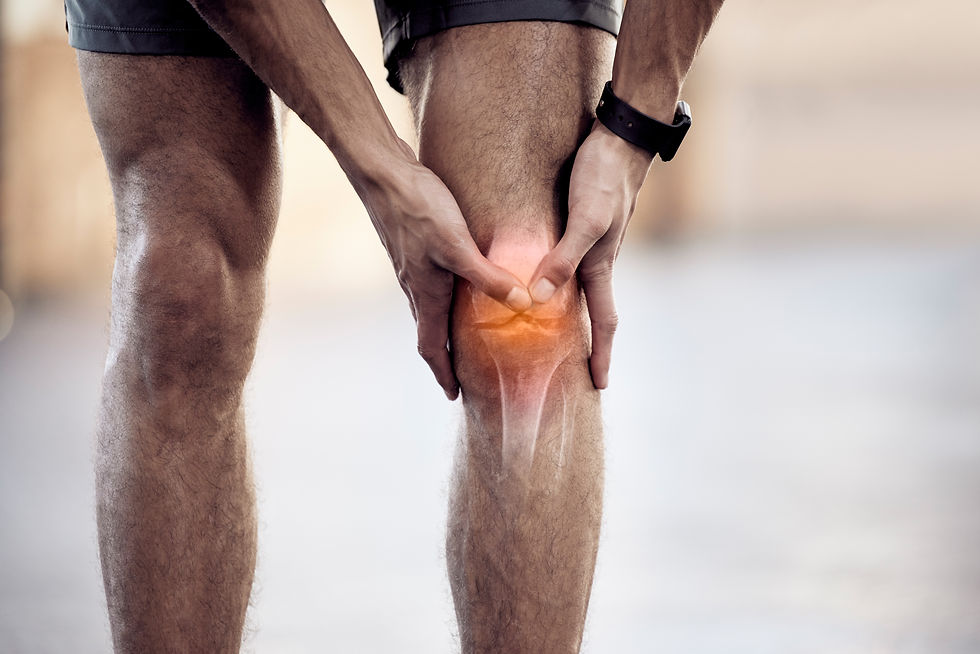
When you strength train consistently, your muscles adapt by becoming stronger, but the benefits extend beyond muscle tissue alone. Tendons, ligaments, bones, and connective tissues also adapt to training over time. These structures become more resilient and better equipped to handle the physical demands of both exercise and everyday life.
This is particularly important because life is not always predictable.
People slip on wet surfaces, step awkwardly off curbs, lift objects with imperfect technique, and encounter unexpected physical challenges. In many cases, a stronger and more resilient body is simply better prepared to handle these situations without breaking down.
Strength training also improves movement control. As people become stronger, they often develop better stability, coordination, and body awareness. This can help them move more efficiently and maintain better positions during both athletic activities and daily tasks.
Another important consideration is aging. As people get older, maintaining muscle mass and strength becomes one of the strongest predictors of long term physical independence. Falls, fractures, and mobility limitations become increasingly common when strength levels decline. Preserving strength helps maintain the ability to move confidently and safely throughout life.
This is why strength training is often viewed as an investment in durability. The goal is not simply to become stronger in the gym. The goal is to build a body that is more capable of handling the physical stresses that inevitably occur throughout life. In many ways, strength acts as armor. It does not make you invincible, but it does make you more resilient.
Strength Supports Health and Longevity
As humans age, they naturally lose muscle mass and strength in a process known as sarcopenia. If this decline is not actively resisted, it can lead to reduced mobility, lower quality of life, increased fall risk, and a loss of independence later in life. Strength training helps slow or even reverse much of this process.
As previoulsy mentioned, maintaining muscle mass is about far more than appearance. Muscle serves as a reserve of physical capability that supports movement, balance, and daily function throughout life. Individuals who maintain their strength as they age are generally better equipped to remain active, independent, and physically capable.
Strength training also plays an important role in bone health. When muscles contract against resistance, they place stress on bones, which stimulates the body to maintain or increase bone density. This becomes increasingly important with age, as reduced bone density can increase the risk of fractures and other complications.
Beyond muscles and bones, strength training has significant metabolic benefits. Muscle tissue is one of the body's primary sites for glucose storage and utilization, meaning that maintaining healthy muscle mass can help improve insulin sensitivity and blood sugar regulation. This is one reason strength training is often recommended as part of a healthy lifestyle for long-term metabolic health.
Perhaps most importantly, strength supports independence. Many people think about longevity as simply living longer. A better goal is maintaining the ability to live well for as long as possible. The ability to climb stairs, get off the floor, carry groceries, travel independently, and remain physically active all depend, to some degree, on strength.
This is why strength should not be viewed as a young person's pursuit or an athlete's goal. It is a lifelong investment in health, function, and quality of life. The stronger you remain throughout life, the better your chances of staying capable and independent as you age.
Strength Improves Confidence
One of the most underrated benefits of strength training is the confidence it creates.
This confidence has very little to do with appearance. It comes from knowing that your body is capable. When you are stronger, everyday physical tasks feel less intimidating, and you become more willing to participate in activities that challenge you.
Strength training also provides something many people lack: evidence. Every workout is a reminder that you can improve, overcome challenges, and become more capable through consistent effort. Over time, this builds a genuine sense of self confidence because it is rooted in real accomplishments rather than perception.

There is also a level of confidence that comes from self reliance. Knowing you can carry your own luggage, move heavy objects, help a friend when needed, or handle unexpected physical demands creates a sense of independence that extends beyond the gym.
Ultimately, strength changes the way people view themselves. When you know your body is capable, you tend to approach physical challenges with more confidence and less hesitation. That confidence often carries over into other areas of life as well.
Final Takeaway: Strength Is a Life Skill
Many people view strength training as a fitness goal, but it is more useful to think of strength as a life skill.
The benefits of strength training extend far beyond the gym. Strength makes everyday tasks easier, creates a larger reserve of physical capability, improves resilience against injury, supports long term health, and builds confidence in what your body can do.
Perhaps most importantly, strength improves quality of life. It allows you to move through the world with greater ease, independence, and capability. Whether you are carrying groceries, playing with your children, staying active as you age, or simply handling the unexpected demands of life, strength makes those experiences easier.
The good news is that you do not need to become an elite athlete to experience these benefits. Even moderate improvements in strength can have a meaningful impact on your health, function, and daily life.
Strength is not just about lifting weights.
It is about building a body that is more capable of handling whatever life asks of it.

Comments